Emergency Pump-Out
We remove all standing water from the basement using truck-mount or portable extraction units. This includes the shallow water that a shop vac can't reach and the water that's soaked into carpet and padding.
Basement Water Removal Port Orange FL means getting standing water out of your home fast, before it wrecks drywall, flooring, and insulation. Our crew handles basement water extraction in Port Orange FL around the clock, from slab leaks to storm surge flooding. We pump it out, dry it down, and document everything for your insurance claim. One call and we're on the way.
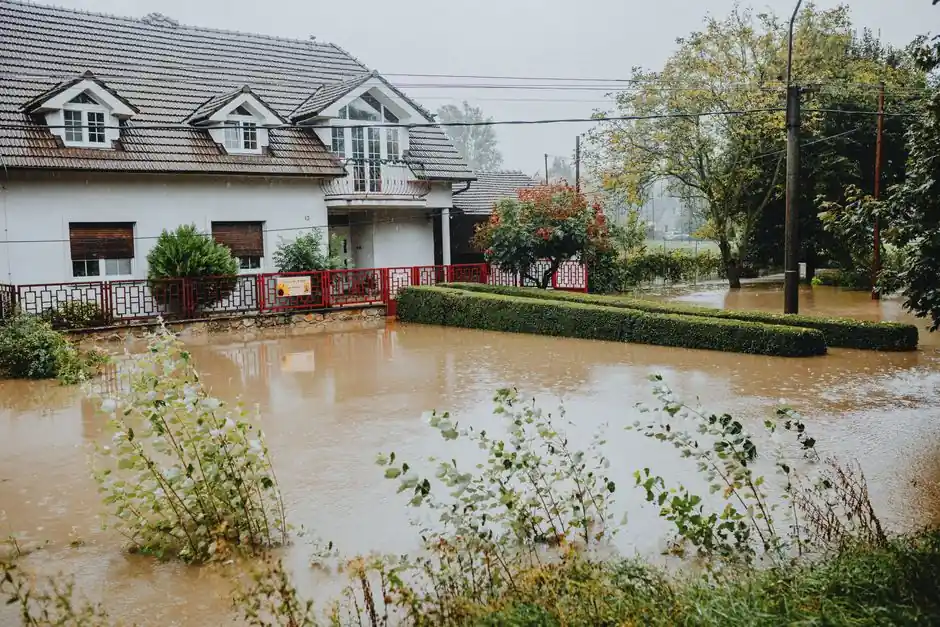
Basement Water Removal Port Orange FL is the process of pumping standing water out of a below-grade space, extracting what's soaked into concrete, carpet, and framing, then drying the whole area to IICRC S500 standards so mold never gets a foothold. We start with moisture mapping using a thermal imaging camera and a calibrated moisture meter, then run a water extraction unit and wet/dry vacuum to pull the bulk of the water. From there, air movers and a commercial dehumidifier finish the job. Most residential basements are dry to the touch in 24 to 72 hours.
Port Orange basements flood for predictable reasons. Summer thunderstorms dump 2 to 3 inches in an afternoon, the water table rises, and a failed sump pump or cracked foundation lets it in. Winter cold snaps crack supply lines, and slab leaks under Dunlawton-area homes seep upward for weeks before anyone notices. If you're searching for basement water extraction near me Port Orange, that's usually the moment you've found a puddle at the base of the stairs. We handle emergency Basement Water Removal in Port Orange FL near me calls 24/7, including holidays.
Every job includes the core extraction and drying work. Some jobs need additional steps like mold treatment or content pack-out, which we quote separately before we start. Here's what you get as standard.
We remove all standing water from the basement using truck-mount or portable extraction units. This includes the shallow water that a shop vac can't reach and the water that's soaked into carpet and padding.
We use a thermal imaging camera and calibrated moisture meters to map exactly how far the water has traveled. This tells us where to place equipment and when the space is actually dry, not just dry to the touch.
After extraction, we apply an antimicrobial solution to framing, concrete, and any exposed wood. This is what stops mold from colonizing the space during the drying period.
We position air movers and commercial dehumidifiers based on the moisture map. Equipment stays until readings hit dry standard, which usually takes 2 to 4 days for a residential basement.
We check moisture readings every 24 hours and adjust equipment as needed. You get a drying log that shows the readings from day one through the final check.
We photograph everything, log moisture readings, and produce an Xactimate-formatted scope of loss. That's the format most Florida carriers want, and it speeds up your claim.
You call, we pick up. We ask three questions: how deep is the water, is it clean or contaminated, and is the power still on. That tells us what equipment to load. A crew is dispatched immediately, and in most of Port Orange we're on site within 60 to 90 minutes.
First thing on site, we find the source and shut it down. If it's a pipe burst, we isolate the line. If it's a sump pump failure, we set up a temporary pump. Then we walk the space with a moisture meter and infrared camera to map exactly how far the water has traveled.
We run a truck-mount or portable water extraction unit to pull standing water, then switch to a wet/dry vacuum for the shallow stuff and carpet padding. Saturated carpet padding gets pulled and bagged because it never dries properly in place. This stage usually takes 2 to 4 hours.
We set air movers along the walls and floor to keep air moving across wet surfaces, then run a commercial dehumidifier to pull moisture out of the air. We check readings every 24 hours with a hygrometer. Most basements hit dry standard in 2 to 4 days.
Before we pack up, we take final moisture readings and compare them to a dry standard for the same material. If anything is still elevated, the equipment stays. You get a written report with before-and-after readings, photos, and the drying log for your records.
You call, we pick up. We ask three questions: how deep is the water, is it clean or contaminated, and is the power still on. That tells us what equipment to load. A crew is dispatched immediately, and in most of Port Orange we're on site within 60 to 90 minutes.
Finds hidden moisture behind walls and under floors without cutting into anything. We use it to map the full extent of the water damage before we start extraction.
Measures moisture content in materials and humidity in the air. We take readings daily to track drying progress and confirm when the space hits dry standard.
Pulls 50 to 100 gallons per hour from carpet and hard surfaces. This is the workhorse for getting standing water out fast.
Keeps air moving across wet surfaces to speed evaporation. We position them along walls and floors based on the moisture map.
Pulls moisture out of the air so the space doesn't re-wet. Essential for basements, which are naturally humid.
Inspection camera that lets us see inside wall cavities and under floors without demolition. We use it to confirm whether framing is wet behind drywall.
A homeowner in Dunlawton woke up to 4 inches of standing water in their finished basement after a summer storm. The sump pump had failed overnight, and the carpet, padding, and bottom 12 inches of drywall were saturated.
After: We pumped out the standing water in 3 hours, pulled the carpet and padding, and cut out the saturated drywall. After 3 days of drying with air movers and a desiccant dehumidifier, moisture readings hit dry standard. The homeowner replaced the carpet and repainted the drywall.
Book this service →
A Spruce Creek homeowner noticed a musty smell and damp carpet in the basement but couldn't find any standing water. A thermal imaging scan revealed a slab leak that had been seeping for weeks. The concrete and adjacent framing were saturated.
After: We extracted the trapped moisture, dried the slab and framing over 4 days, and treated the area with antimicrobial solution. The plumber repaired the slab leak, and we verified dry standard before closing up. No mold growth.
Book this service →
A pipe burst in the wall above a Willow Run basement during a cold snap. Water ran down through the ceiling and flooded the basement floor. The ceiling drywall was sagging and the carpet was soaked.
After: We shut off the water, extracted from the basement floor, and cut out the saturated ceiling drywall. After 3 days of drying, the framing above and below hit dry standard. The homeowner had the pipe repaired and the ceiling patched.
Book this service →Most basement water issues fall into a few categories. Here's what we see most often and how we handle each one.
Ask a pro →We pump out the standing water, dry the space, and check the sump pit and discharge line. If the pump is dead, we can set up a temporary pump while you get a replacement installed. We also document the failure for your insurance claim.
We extract the water, dry the walls and floor, and treat the affected area with antimicrobial solution. We also identify where the water is entering so you can get the foundation sealed before the next rainy season.
We use thermal imaging and pressure testing to confirm the leak location, then extract the water and dry the slab and surrounding materials. We coordinate with a licensed plumber for the repair.
We shut off the water, extract the standing water, and dry the space. We also cut out any drywall that's saturated above the water line, because drywall wicks moisture upward and won't dry in place.
Most residential basement pump-outs in Port Orange run $350 to $1,200 in 2026, depending on water volume, how much carpet padding has to come out, and whether mold treatment is needed. A small utility basement with an inch of water might be $350. A finished basement with 6 inches and soaked drywall could hit $2,500 or more. We quote before we start.
The three most common causes we see are sump pump failure, foundation cracks letting in rising groundwater after heavy rain, and slab leaks under the slab. Port Orange's sandy soil and high water table make all three more likely than in inland Florida. If your basement floods every time it rains hard, the sump pump or the drainage around the foundation is usually the culprit.
Extraction itself takes 2 to 4 hours for a typical residential basement. Full drying takes another 2 to 4 days with air movers and dehumidifiers running continuously. We check moisture readings every 24 hours and don't pull equipment until the space hits dry standard. Rushing that step is how mold problems start.
Yes, if it's done within 24 to 48 hours and the space is dried to standard. Mold needs moisture and organic material, so removing the water and getting humidity below 50 percent removes the conditions it needs. We apply antimicrobial solution to framing and concrete after extraction, which adds another layer of protection. Waiting a week to call is what turns a pump-out into a mold remediation.
We answer 24/7 and dispatch immediately. One call, and a crew is on the way with extraction equipment, air movers, and dehumidifiers already loaded. If your basement is full of water, don't wait until morning. Call now.
Call Now +13861234567 →Call us any time, day or night. We answer 24/7 and dispatch crews across Port Orange and Volusia County. Most addresses see us within 60 minutes. You can also email us for non-emergency questions or to schedule an inspection.