Moisture Mapping & Assessment
We map the wet zone with a thermal imaging camera and moisture meter before we touch anything. That tells us how far the water traveled and whether the subfloor is wet. You get a copy of the map for your records.
When a pipe bursts or the washer hose lets go, Carpet Water Extraction & Drying Port Orange FL is the difference between saving your carpet and replacing it. We pull the water, lift the pad, and run drying equipment until your floors test dry. Serving homeowners across Volusia County, seven days a week.
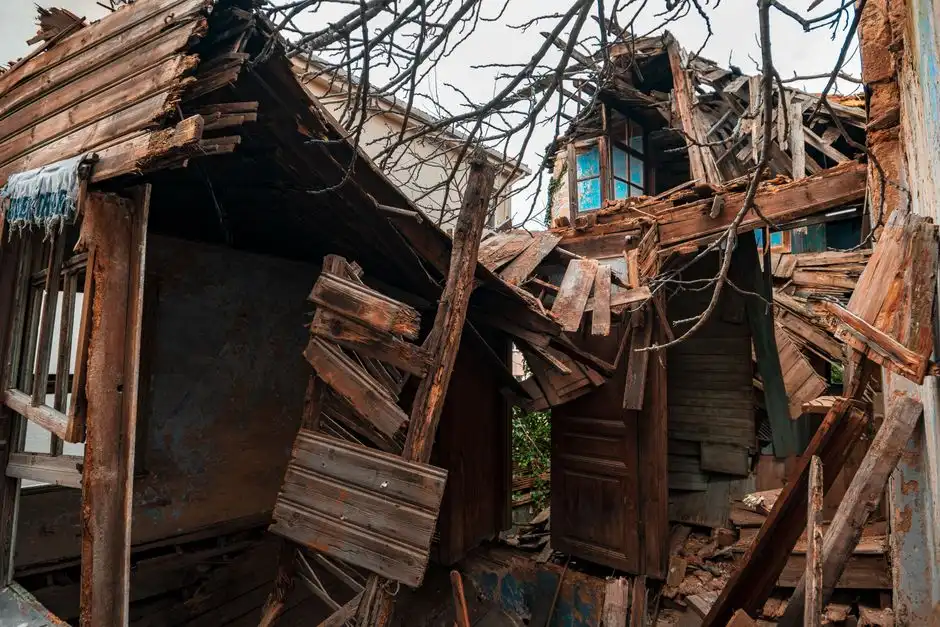
Carpet Water Extraction & Drying Port Orange FL is the process of removing standing water from carpet and padding with high-powered extraction equipment, then drying the fibers, backing, and subfloor to verified moisture levels. We start with a moisture meter and thermal imaging camera to map exactly how far the water traveled. Then we extract, lift or replace saturated padding, and set air movers and dehumidifiers until the carpet reads dry against a baseline. Most residential jobs take one to three days of active drying.
Port Orange sits between the Halifax River and the Atlantic, so humidity here rarely drops below 70 percent. That means a wet carpet that might dry on its own in a drier climate will sit damp for days here and start growing mold within 24 to 48 hours. The most common calls we get are pipe bursts, appliance leaks, and storm-driven water pushing under sliding doors near Dunlawton and the riverfront. If you are searching for carpet drying near me Port Orange after a leak, the clock matters more than the brand on the truck.
Every carpet water extraction job includes the full drying cycle, not just the extraction. Here is what is covered when we roll up.
We map the wet zone with a thermal imaging camera and moisture meter before we touch anything. That tells us how far the water traveled and whether the subfloor is wet. You get a copy of the map for your records.
We pull standing water out of the carpet with a water extraction unit and weighted extraction head. This is the step that removes the bulk of the water before drying equipment goes down.
Saturated carpet pad comes out, gets bagged, and gets hauled away. We do not leave wet pad under your carpet to grow mold. If the pad is salvageable, we dry it in place and tell you why.
We apply an antimicrobial solution to the carpet backing and subfloor to stop mold from colonizing while the carpet dries. This is standard on every job, not an add-on.
We position air movers along the walls and run dehumidifiers to pull moisture out of the air. Equipment stays until the carpet and subfloor read dry against a baseline from an unaffected room.
We check moisture readings every 24 hours and adjust equipment as the carpet dries. When the job is done, you get a written drying report with daily readings, photos, and equipment logs for your insurance claim.
You call, we ask what happened and where the water is coming from. If it is still flowing, we walk you through shutting off the supply. A technician arrives with a moisture meter and thermal imaging camera to map the wet zone. This takes 20 to 30 minutes and tells us whether we are looking at a small extraction or a full structural dry.
We run a water extraction unit and wet/dry vacuum across the carpet, pulling standing water out of the fibers and pad. For deeper saturation, we use a weighted extraction head that presses down and pulls water up at the same time. A typical 12x15 room takes 45 minutes to an hour to extract.
Saturated carpet padding almost never dries in place. We pull it, bag it, and haul it out. If the carpet itself is salvageable, we lift it, dry the subfloor underneath, and re-stretch it once everything reads dry. If the pad is foam and it has been wet more than 48 hours, it is gone.
We position air movers along the walls to create a vortex across the carpet surface, then run dehumidifiers to pull moisture out of the air. A standard bedroom gets three to four air movers and one dehumidifier. We check readings every 24 hours and adjust equipment as the carpet dries.
We do not pack up until the carpet, pad, and subfloor read dry against a baseline taken from an unaffected room. That usually takes two to three days for a residential job. You get a written drying report with daily readings, photos, and equipment logs, ready for your insurance claim.

You call, we ask what happened and where the water is coming from. If it is still flowing, we walk you through shutting off the supply. A technician arrives with a moisture meter and thermal imaging camera to map the wet zone. This takes 20 to 30 minutes and tells us whether we are looking at a small extraction or a full structural dry.
Pulls standing water out of carpet fibers and pad. We use truck-mounted and portable units depending on access and job size.
Reads moisture content in carpet, pad, and subfloor. We use it to map the wet zone and to verify the carpet is dry before we pull equipment.
Shows temperature differences that reveal hidden moisture behind baseboards, under carpet, and in the subfloor. It finds water a moisture meter alone would miss.
Create high-velocity airflow across the carpet surface to evaporate moisture. We position them along walls to create a vortex that reaches the backing.
Pull moisture out of the air so the carpet can keep drying. Without them, air movers just circulate humid air across wet carpet.
Measures relative humidity in the room. We use it to size dehumidifiers and to confirm the drying chamber is holding the right conditions.
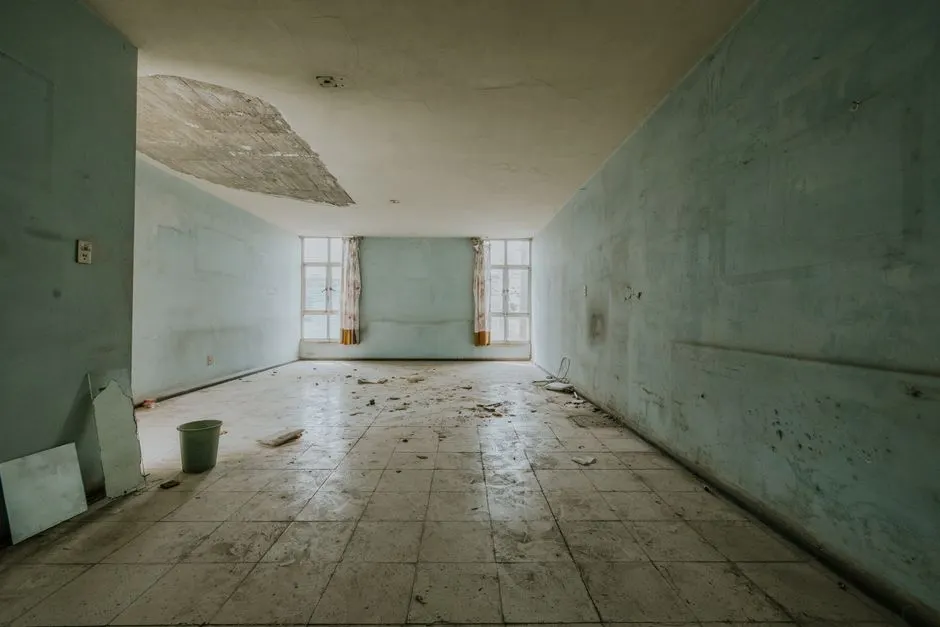
A 50-gallon water heater let go in the garage and water spread into the hallway carpet, soaking about 200 square feet. The carpet had been wet for roughly eight hours before the homeowner got home and called us.
After: We extracted the standing water, pulled the saturated pad, and set up four air movers and one dehumidifier. The carpet read dry in two days. The homeowner kept the original carpet and paid a fraction of what replacement would have cost.
Book this service →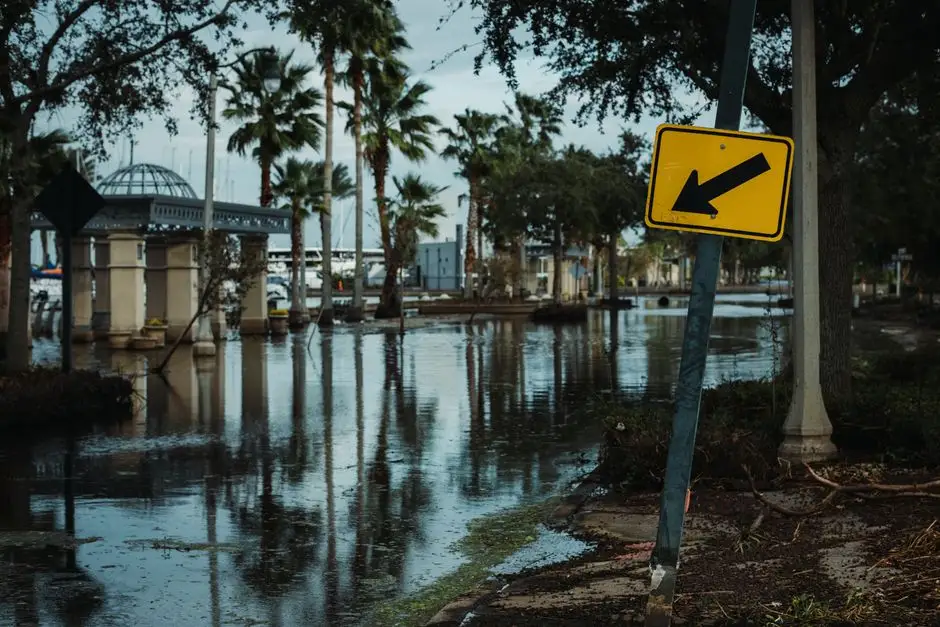
A tropical storm pushed two inches of water under a sliding glass door and into the living room carpet. The water was Category 2, which meant it carried some contamination from outdoor runoff.
After: We extracted the water, removed the pad, treated the carpet and subfloor with antimicrobial solution, and dried the area in three days. The carpet stayed in service and the moisture readings came back clean.
Book this service →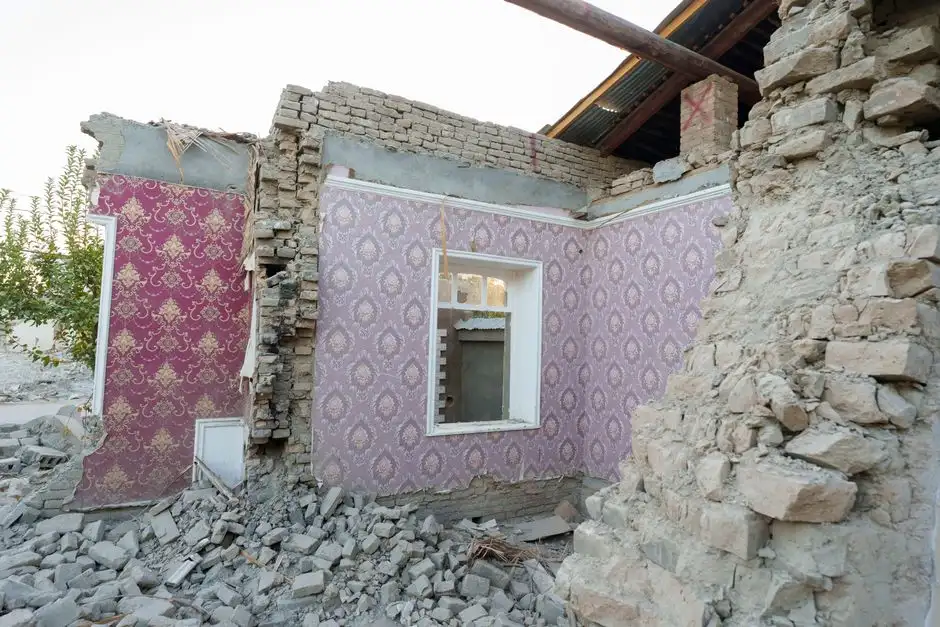
A braided supply line on a washing machine burst overnight and soaked the laundry room and the carpet in the adjoining hallway. The carpet was saturated through the pad and into the plywood subfloor.
After: We extracted the water, pulled the pad, dried the plywood subfloor with air movers and a dehumidifier, then re-stretched the carpet once everything read dry. Total drying time was three days. The insurance claim covered the pad replacement and drying.
Book this service →Wet carpet creates problems that get worse with every hour. Here is what we fix and why waiting costs more than calling.
Ask a pro →We extract the remaining water, pull the wet pad, and set up drying equipment sized for the room. Most carpets we get to within 48 hours dry out and stay in service. We verify with a moisture meter before we call it done.
We pull the pad, treat the carpet and subfloor with antimicrobial solution, and dry the assembly. Once the moisture source is gone, the odor goes with it. If mold has colonized the subfloor, we handle the remediation too.
We use a moisture meter and thermal imaging camera to read moisture at the backing and subfloor, not just the surface. If the pad is wet, it comes out. If the subfloor is wet, we dry it before the carpet goes back down.
We document every job with moisture maps, daily readings, photos, and equipment logs formatted for Xactimate. That documentation is what gets carpet replacement covered instead of denied.
Most residential carpet water extraction jobs in Port Orange run $350 to $1,200 depending on square footage and how saturated the carpet is. A single room with a small leak might land at the low end. A whole first floor after a pipe burst will be higher. That range covers extraction, pad removal, equipment setup, and daily monitoring. If your insurance covers the loss, most of that cost goes to the claim.
Yes, if we get to it within 24 to 48 hours. Carpet that is extracted and dried in that window usually survives with no lingering odor or delamination. After 72 hours in Port Orange humidity, the backing starts to break down and mold colonizes the pad. At that point, replacement is usually the better call. We tell you honestly which side of that line your carpet is on.
A typical residential job takes two to three days of active drying with air movers and dehumidifiers running continuously. A small area with minimal saturation can dry in 24 hours. A whole floor after a storm surge or slab leak can take four to five days. We check moisture readings every 24 hours and do not pull equipment until the carpet and subfloor test dry.
We do. Water Damage Restoration Port Orange Pros handles emergency carpet water extraction and drying across Port Orange and Volusia County, including Dunlawton, Spruce Creek, and the riverfront neighborhoods. We are available 24/7 for emergency calls and can usually be on-site within 90 minutes. Call us and we will tell you exactly when a technician will arrive.
Wet carpet does not wait, and neither do we. We answer the phone 24/7, dispatch same-day, and bring the extraction and drying equipment to get your carpet dry before mold sets in. One call and a technician is on the way.
Get Emergency Help +13861234567 →Call us any time, day or night. We answer 24/7 and dispatch crews across Port Orange and Volusia County. Most addresses see us within 60 minutes. You can also email us for non-emergency questions or to schedule an inspection.