Moisture Mapping And Documentation
Thermal imaging camera and pin-type moisture meter readings taken room by room, logged daily, and photographed. You get a copy for your insurance file.
Hardwood Floor Drying & Restoration Port Orange FL is what we do when a supply line, slab leak or storm pushes water into your wood floors. We pull the standing water, map the moisture with a thermal imaging camera, then dry the boards in place before cupping turns into a full tear-out. If you are searching hardwood floor drying near me Port Orange, call and we will be on your floor today.
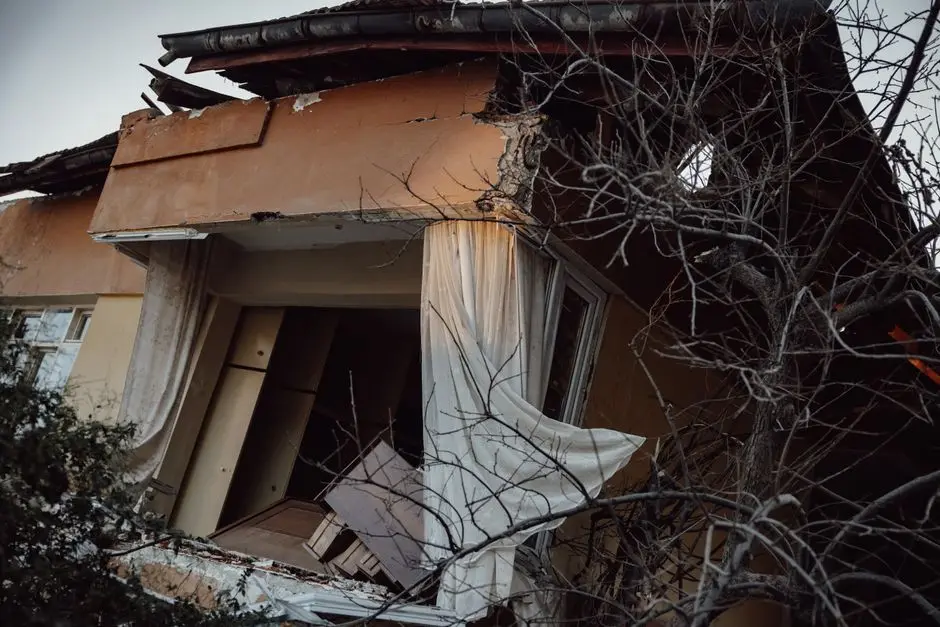
Hardwood Floor Drying & Restoration Port Orange FL is a controlled drying and refinishing process that pulls trapped moisture out of wood planks, subfloor and joists before the boards cup, crown or buckle for good. We extract standing water, set air movers and dehumidifiers on a calculated grid, and log moisture meter readings every day until the wood reads dry against a known-dry reference. Only then do we sand, screen and refinish.
Port Orange homes get hit from every direction: a pipe burst behind a kitchen wall, an appliance leak under a dishwasher, a roof leak after a summer squall, or a slab leak that quietly soaks the floor for weeks. Wood acts like a sponge, and in Florida humidity it will not dry on its own. That is why homeowners search hardwood floor restoration after water damage Port Orange Florida and call us the same day.
Every job is scoped to the actual damage, but here is what a standard hardwood floor dry-out and restoration covers. If something falls outside this list, we tell you before we start, not after.
Thermal imaging camera and pin-type moisture meter readings taken room by room, logged daily, and photographed. You get a copy for your insurance file.
Standing water pulled with a water extraction unit, then air movers and dehumidifiers placed on a calculated drying grid. Equipment runs 24/7 until the wood hits dry standard.
A technician returns every day to take new readings, check the hygrometer, and adjust equipment. We do not guess when the floor is dry. We measure it.
Any wood that has been wet longer than 48 hours gets treated with antimicrobial solution before drying finishes, so mold does not get a foothold under the finish.
Once the floor reads dry and acclimates for 24 to 48 hours, we sand, stain and finish. Baseboards go back and the room gets a final walk-through with you.
Photos, moisture logs and an Xactimate scope built to match what your adjuster needs. We talk to them directly so you are not stuck in the middle.
You call, we ask what happened and where the water came from. We roll a truck to your Port Orange address, usually within the hour for active water. First job on site is stopping the source if it is still running, then getting extraction equipment into the room.
We walk the floor with a thermal imaging camera and pin-type moisture meter to find every wet zone, including the ones you cannot see under baseboards and into the subfloor. Readings get written down room by room so we have a baseline to compare against on day two.
A water extraction unit pulls standing water out of the seams and any carpet or padding nearby. Then we place air movers on a calculated pattern and hook up refrigerant or desiccant dehumidifiers. Drying equipment runs 24/7, and you will hear it, so plan sleeping arrangements accordingly.
We come back every day, take new moisture readings, check the hygrometer, and adjust equipment placement. Most floors hit dry standard in three to five days. If a section is not moving, we investigate, because that usually means a hidden leak or a sealed-off cavity.
Once the wood reads dry, we pull the equipment, let the floor acclimate for 24 to 48 hours, then sand, stain and finish. Baseboards go back, the room gets a final walk-through with you, and we leave the moisture log and photos with your claim file.
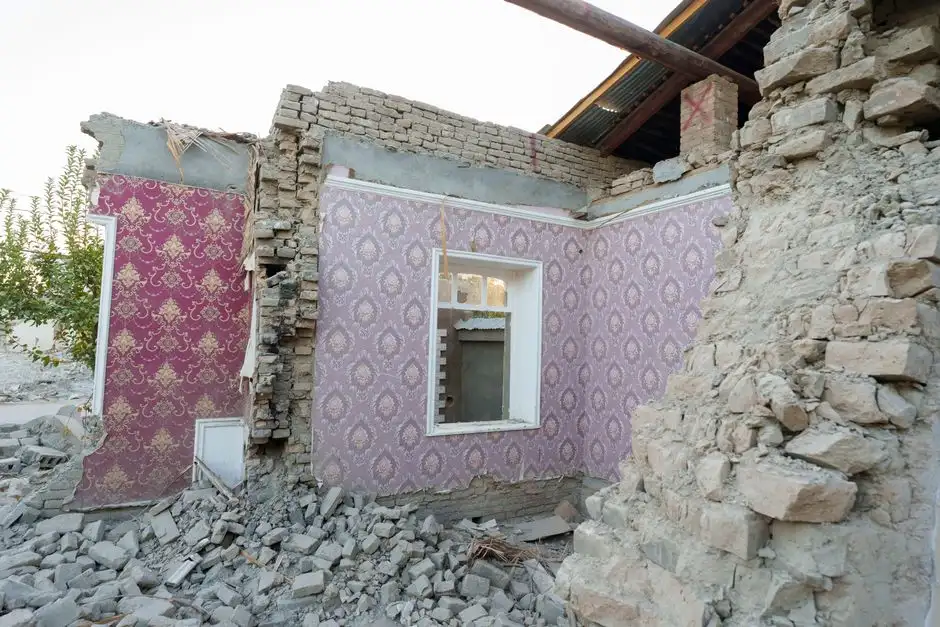
You call, we ask what happened and where the water came from. We roll a truck to your Port Orange address, usually within the hour for active water. First job on site is stopping the source if it is still running, then getting extraction equipment into the room.
Finds temperature differences that reveal hidden moisture behind baseboards, under cabinets and inside wall cavities without cutting anything open.
Gives us actual moisture content readings in the wood so we can compare wet areas against a known-dry reference and know exactly when the floor is dry.
Measures ambient humidity and temperature in the room so we can calculate the right drying target and confirm the dehumidifiers are keeping up.
High-velocity air movers placed on a calculated grid to push air across the wood surface and into the seams where water hides.
Pulls moisture out of the air so the wood has somewhere to release its water. In Florida humidity, air movers alone will not dry a floor.
Removes standing water from the floor seams, carpet and padding before drying equipment goes down. Air movers cannot dry wood sitting in water.

A supply line behind the refrigerator let go overnight and dumped water across 320 square feet of solid oak in a Spruce Creek kitchen. The boards were cupped 3/16 inch at the seams by morning.
After: We extracted the standing water, set 12 air movers and two dehumidifiers, and logged readings for five days. The floor hit dry standard, then we sanded and refinished. The boards flattened back and the homeowner could not tell where the damage was.
Book this service →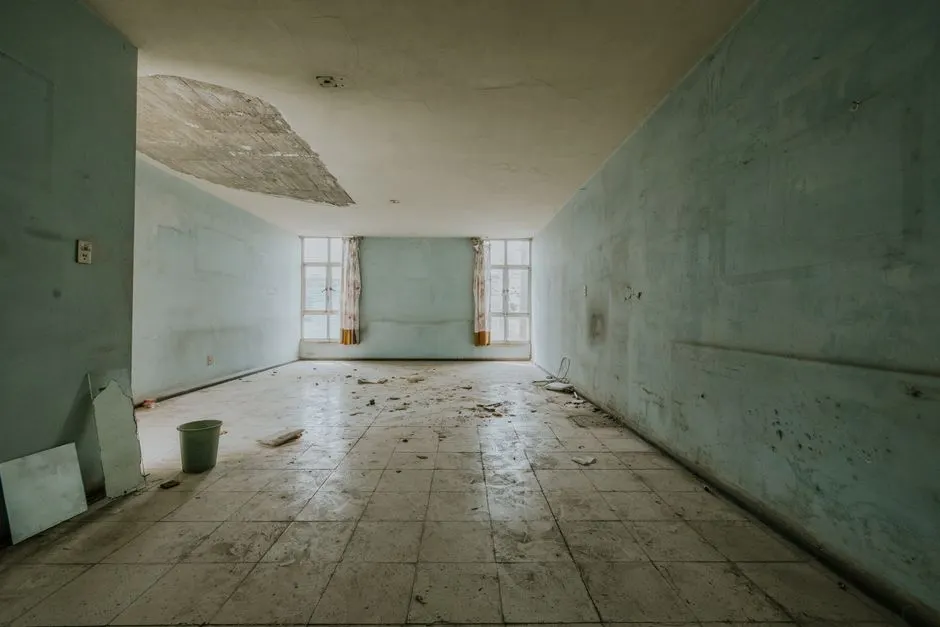
A slab leak under a Riverwalk home soaked the concrete and the engineered hardwood in the hallway for an estimated three weeks before the homeowner noticed the boards lifting at the seams.
After: We located the slab leak, had it repaired, then dried the floor over six days with desiccant dehumidifiers and a calculated air mover grid. The floor dried flat and we refinished it in place instead of replacing 180 square feet.
Book this service →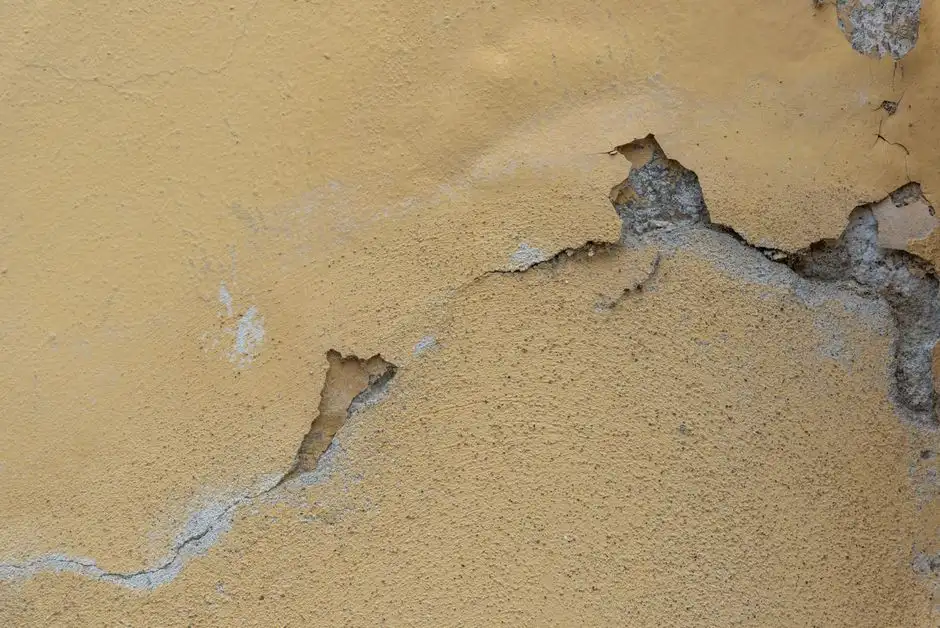
A summer storm pushed rain through a sliding door in a Cypress Head home and soaked 240 square feet of oak. The water sat for two days before the family returned from a trip.
After: We extracted, treated the floor with antimicrobial solution, and dried it over seven days. The floor was refinished and the room passed a moisture check against a known-dry reference in the same house. No mold, no tear-out.
Book this service →Wet hardwood is a clock. The faster you act, the more of the floor you keep. These are the problems we see most often in Port Orange homes and what happens when they get ignored.
Ask a pro →We dry the floor slowly and evenly with controlled air movement and dehumidification, checking moisture readings daily so the top and bottom of each board dry at the same rate. That is how the boards flatten back instead of setting in a curled shape.
We use a thermal imaging camera and boroscope to find water behind baseboards and under the floor surface, then dry the whole assembly, not just the visible boards. If the subfloor is wet, the floor above it will re-wet until it is dry too.
We treat affected wood with antimicrobial solution and pull ambient humidity down with dehumidifiers to remove the moisture mold needs. If we find active growth, we bring in our mold inspection and testing team before any refinishing happens.
We photograph every affected room, log daily moisture readings against a known-dry reference, and build the scope in Xactimate. That documentation is what gets a hardwood floor claim approved instead of argued about.
Most single-room hardwood dry-outs in Port Orange run $650 to $1,800 in 2026, and full-home jobs with refinishing land between $2,500 and $6,500. The variables are square footage, how many days the equipment runs, whether we have to pull baseboards, and whether the floor needs sanding and refinishing or just drying. We give you a written number before we start.
Yes, most solid and engineered hardwood floors can be saved if drying starts within 24 to 48 hours of the water event. After that, cupping and crowning start to set and the boards may not flatten back. We use a moisture meter to compare wet readings against a known-dry reference in the same room, and if the wood is recoverable we dry it in place instead of tearing it out.
Plan on three to five days of equipment run time for a typical Port Orange hardwood floor, with daily monitoring visits. Thick solid oak over a plywood subfloor can take five to seven days. Engineered planks over concrete usually dry faster, sometimes in 48 to 72 hours. We do not pull equipment until the wood reads dry against the reference sample, not on a calendar.
Yes, if you start within the first 24 to 48 hours. Mold needs moisture and time, and drying the wood plus pulling ambient humidity down with dehumidifiers removes both. We treat affected areas with antimicrobial solution and log the readings so you have proof the floor was dried to standard. If mold has already started, we bring in our mold inspection and testing team before we refinish.
Every hour a wet floor sits, the odds of saving it drop. We are a licensed, insured Florida Certified Water Damage Restoration Contractor, and we answer the phone 24/7. Call now and we will get a truck rolling to your Port Orange address today.
Get Emergency Help +13861234567 →Call us any time, day or night. We answer 24/7 and dispatch crews across Port Orange and Volusia County. Most addresses see us within 60 minutes. You can also email us for non-emergency questions or to schedule an inspection.